
Harvest 2026 at Iron Horse Vineyards Begins
Every vintage is a story written by nature. Harvest is the dénouement. The wine is how we tell it.
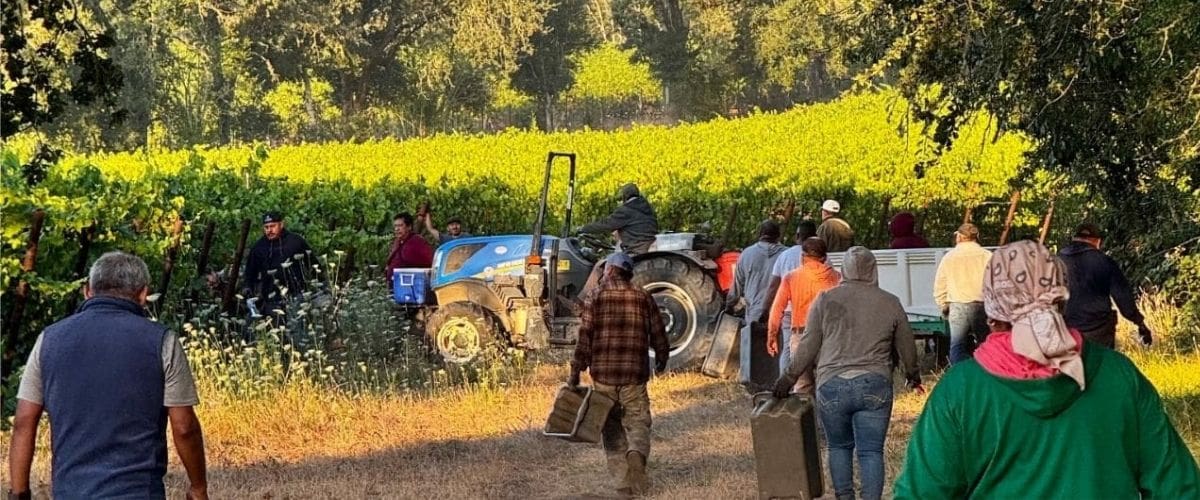
On July 27, the story of 2026 began to reveal itself. We started at first light with Pinot Noir, bins moving at a run. The fruit tastes delicious. We loaded it into the de-stemmer and pumped the juice and skins into tanks to cold soak with dry ice — the base wine for our sparkling rosés.
Harvest is not a day; it is weeks. We will pick block by block, hopscotching around the estate, landing where the fruit is ready. A three-ring circus, in the best sense.
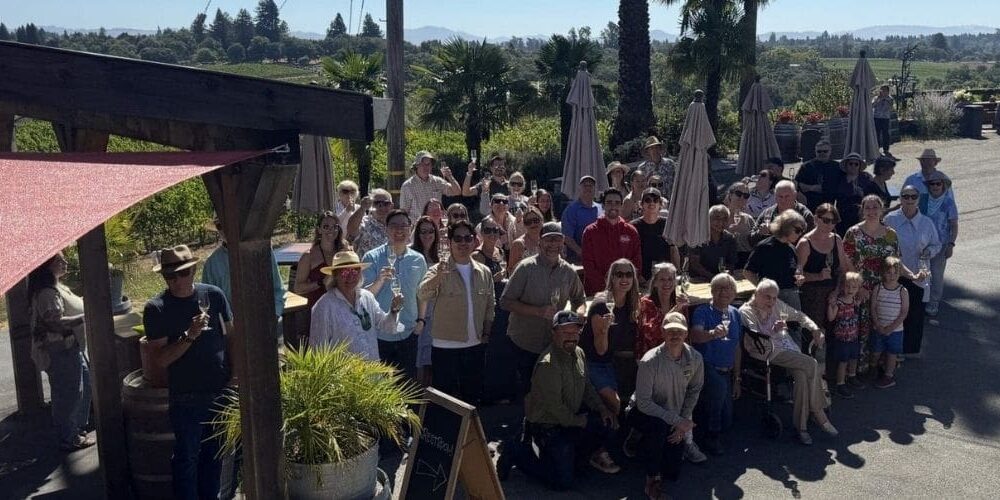
At ten, the commotion stopped. Everyone gathered on the crush pad — the office, the tasting room, our morning tasters, my brother, my mother, who has now seen all fifty, and her great-grandsons, seeing their first.
The hardest part is wrapping our heads around how early it is. Even now, after the fact, it seems unbelievable. We knew the season was running two and a half weeks ahead. We watched it happen. And still: harvest in July.
On July 16, our friend and neighbor Steve Dutton made it real, picking Pinot Noir for sparkling from his Jewell Ranch, two miles from here and within Green Valley. David went back through our blocks, tasted, and decided to hold. The harvest bell rang again on the 20th, and for a day it looked like we’d pick that week — until fresh samples said wait.
The media was calling by then, and I had nothing to give them. “I wish I could tell you something,” he said. “The grapes will be ready when they are ready.” As always, the grapes have the last word — and David’s job is to listen.
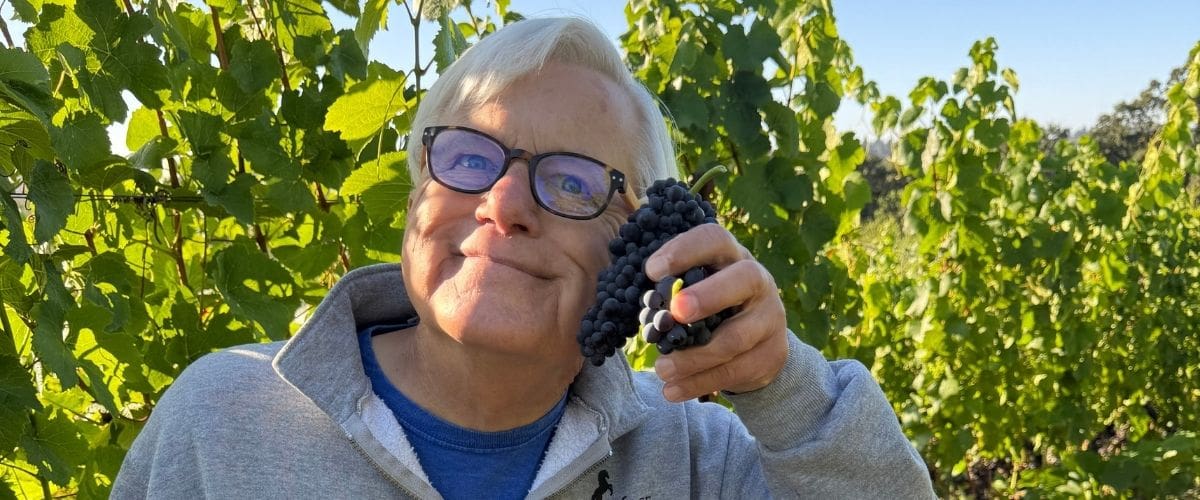
Deciding when and where to start is the first great winemaking decision of any vintage. I love that we held out for flavor.
Meanwhile, we ran our annual harvest pool — guess the first day of picking; winner takes the glory. One hint this year: think earlier than you’ve ever guessed before. This morning the bell decided, as it always does: Julie, Sabrina, and my cousin Pamela called it exactly.
To understand how we came to be picking in July at all, you have to go back to March. Weeks of above-normal temperatures started the season early. Budbreak came weeks early, and not just for the vines — the tomatoes, the first bloom of roses. The whole timeline had picked up and skipped ahead two and a half weeks. The grapes do not care what the calendar says, so we moved our schedule to match theirs.
Then April turned wet and gray, May stayed cool and foggy, and the wind — one of the defining characters of this spring — blew harder as bloom arrived. By every expectation, that long marine spring should have erased March’s head start. It didn’t.
Here is what David is seeing in the fruit:
- Uneven set. A cold, wet, windy period during set led to high variability within blocks, vines, and clusters.
- Hens and chicks. More of these clusters than I’ve seen in years; the smaller chick berries are ripening faster and are sweeter.
- Lower yields. Full bins weigh 80 to 100 pounds less than usual, and tons per acre are down.
- Efficient ripening. The same canopy but fewer clusters, and our crew opened the fruit zone early. With less fruit for the leaf area to support, ripening accelerated.
Running alongside what David sees and tastes, for the first time, is a season’s worth of high-tech data. We are only now sitting down with all of it, to see where the numbers match what we sense, where they amplify it, and where they give us new insight. It runs both ways: what we see in the field is also teaching us what to ask the sensors.
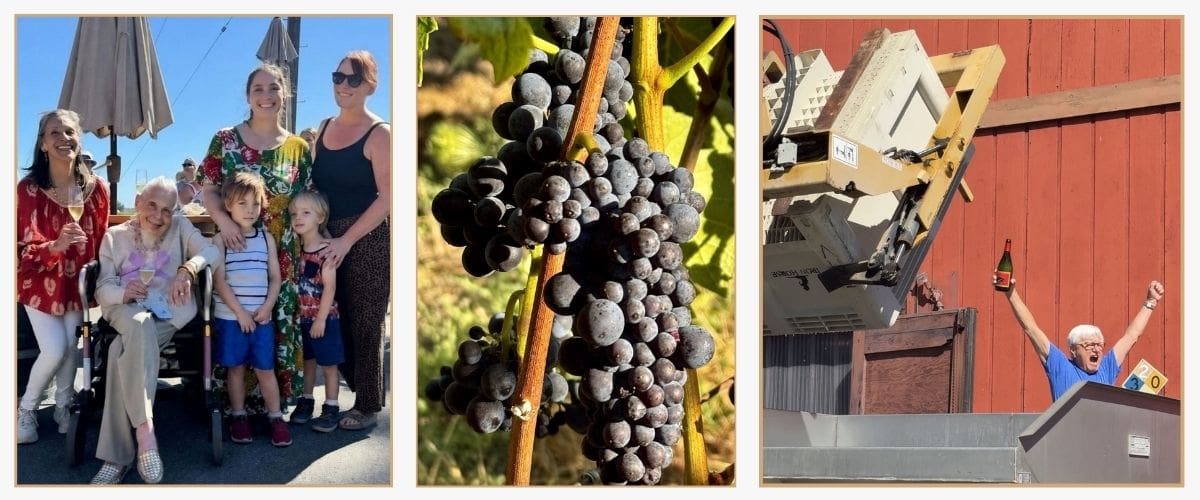
When I wrote my first book — a diary of the 1991 vintage — harvest began in the last days of August. Thirty-five years later, we are picking in July. The suspense, the back-and-forth, the faith that flavor matters more than chemistry: none of that has changed. Only the calendar, by a full month, in our own lifetime.
This is our fiftieth harvest and David’s thirtieth vintage — between us, eighty harvests of experience on the estate — and the vineyard still surprised us. That it still can may be the most wonderful thing about this place.
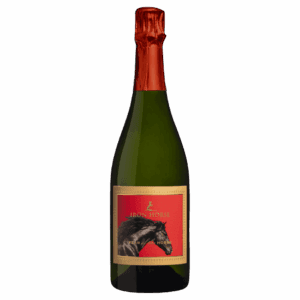
We “blessed” the fruit, pouring our Year of the Horse Blanc de Blancs over the first bin.
Please join us in a toast.
Cheers to vintage 2026!
Featured Wines

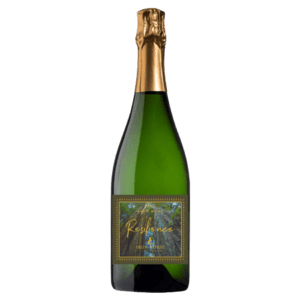
2022 Resilience
-
2022 Year of the Horse
-
2023 Green Valley Estate Pinot Noir