What Our Creek Restoration Made Possible
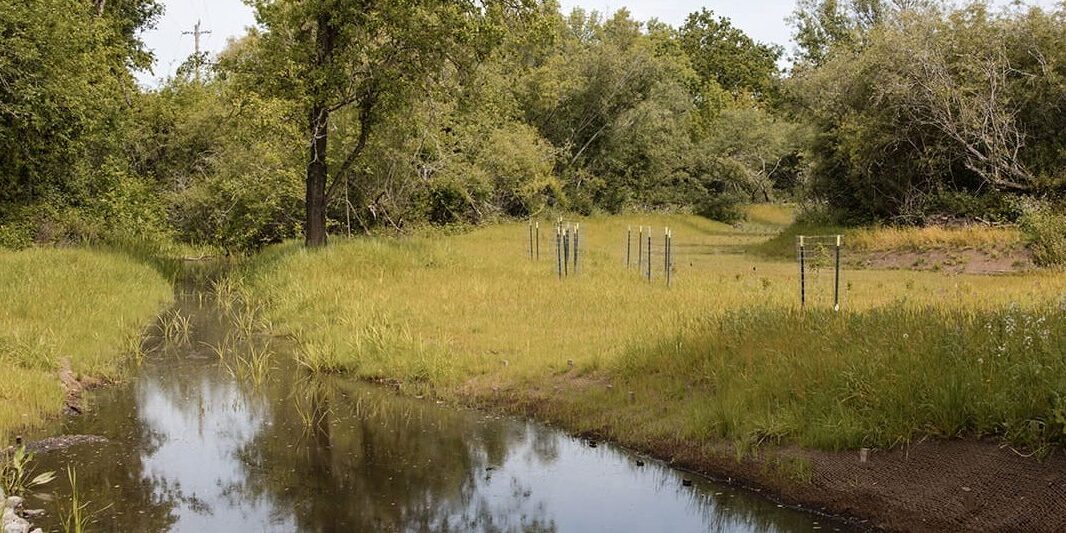
The big news from an Earth Day tour of our creek restoration: Approximately 900 juvenile coho counted this spring.
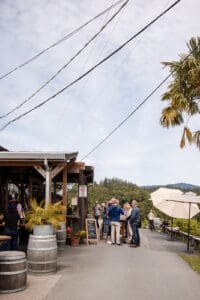
On a gorgeous day at Iron Horse along Green Valley Creek, with the rain graciously holding off until nightfall, it felt like a deeply validating measure of what the creek restoration is already beginning to achieve.

Midday, we joined John Green and Will Boucher of Gold Ridge Resource Conservation District, who led the restoration project and brought the creek to life with knowledge, clarity, and contagious enthusiasm. What they shared was both highly scientific and deeply moving: this landscape is changing, and the fish are responding.
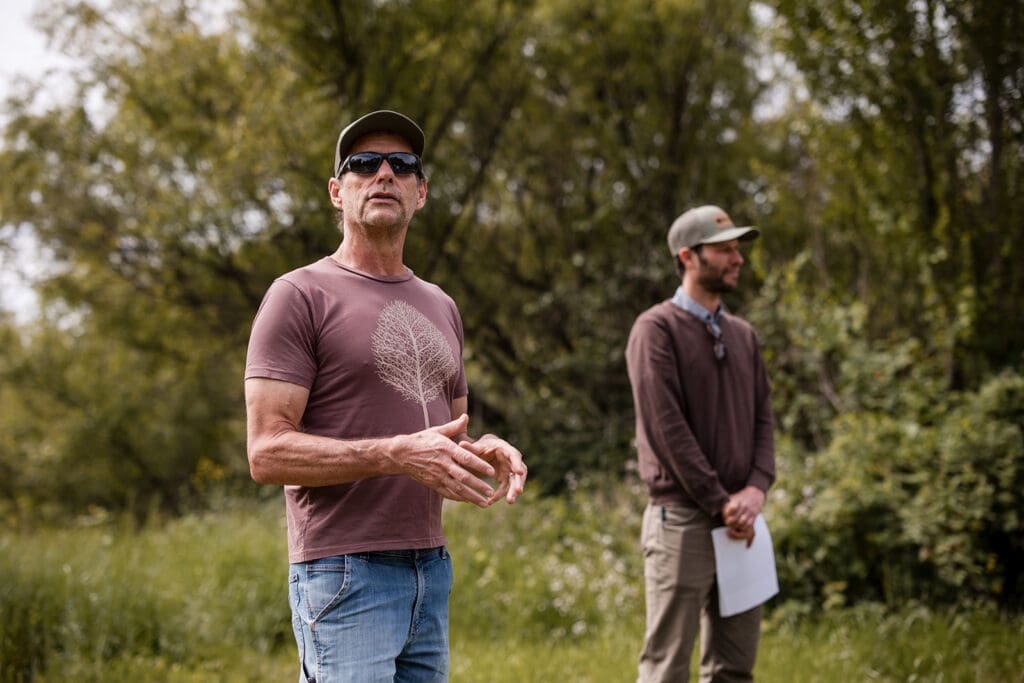
As John and Will explained, the creek is part of the Russian River coho recovery effort. The fish are tagged with PIT tags, tiny devices the size of a grain of rice, used to help track movement and survival. The counter captures roughly 20% of the fish, they told us, but because some detections are repeat passes by the same fish, a calculation is used to arrive at the final approximation.
That approximation, this first spring, is about 900 fish.
Amazing, and so validating.
Right now, these juvenile coho are making their way down Green Valley Creek to the Russian River and onward to the Pacific at Jenner. The recent rains helped cue that migration, as the fish could feel the current carrying them in the right direction.
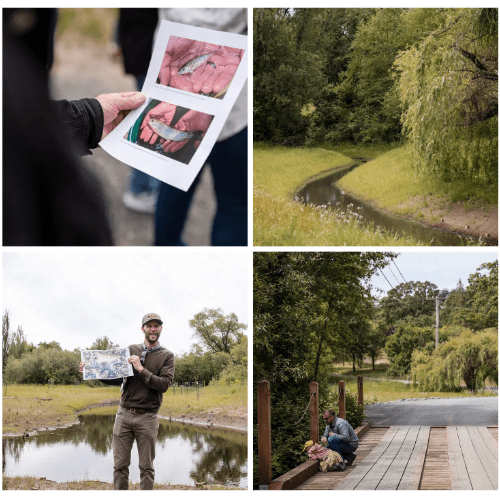
Our creek has long been known for producing notably fat, healthy fish — fish that are well fed here. In the past, winter storms could make it harder for them to hold on. Now, the restoration has created a more resilient living system, where young salmon can feed, find shelter in high flows, and move through side channels and connected habitat before making their way back to the creek, then on to the Russian River and out to the ocean.
Green Valley Creek is a winter-and-spring creek. By August, it will go dry, and by then the fish will be out in the ocean. They will return in winter to spawn, finding their way home in part through the chemical signature of the creek, and in part through geography. There is still so much mystery in how fish move through water and how they locate home so precisely. That mystery only deepens the wonder.
Another distinction of this creek is that it is also home to freshwater shrimp — one of only 27 such sites in California, as we learned on the tour. That detail stayed with me. It is such a small creature, easy to miss entirely, and yet it tells its own story about the ecological importance of this place.
And then there was the beauty.
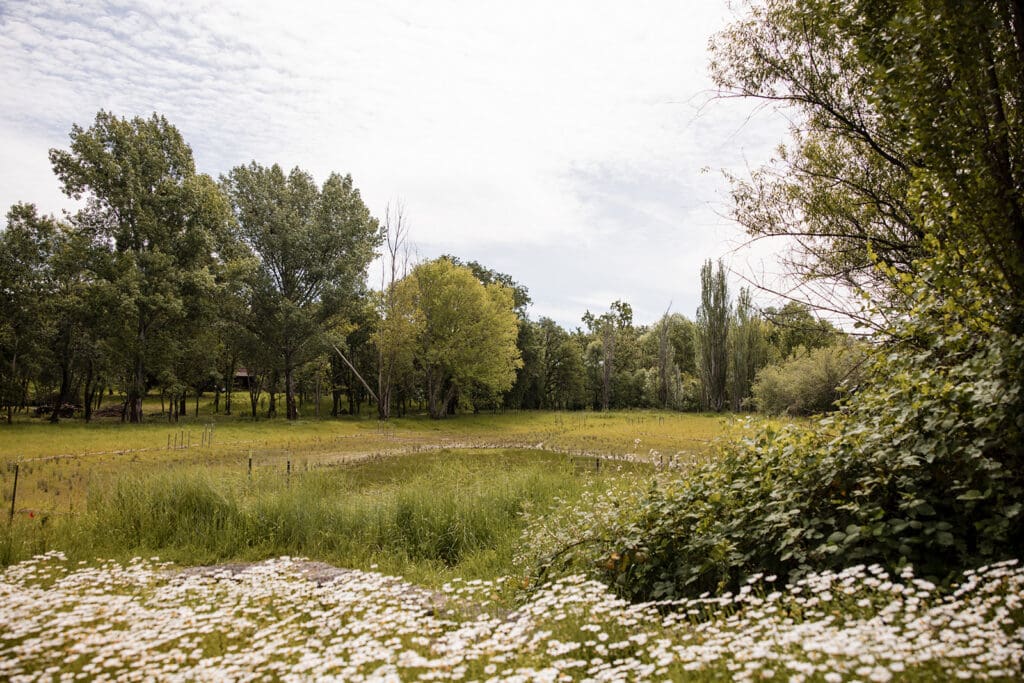
The native grasses are growing in so beautifully, in so many shades of green. The whole corridor feels softer now, fuller, more alive. Iron Horse was already a lovely example of a riparian landscape, and now we are helping extend and strengthen that corridor for the benefit of the entire ecosystem.
That may be the part that moves me most.
Winegrowing teaches you to pay attention to cycles, to weather, to the life of a place over time. It teaches patience. It teaches that what looks quiet is often full of motion. This tour was a vivid reminder that stewardship is not abstract. Sometimes it looks like new grasses taking hold. Sometimes it looks like a restored side channel. And sometimes, if you are very lucky, it looks like 900 juvenile coho on their way to the Pacific.
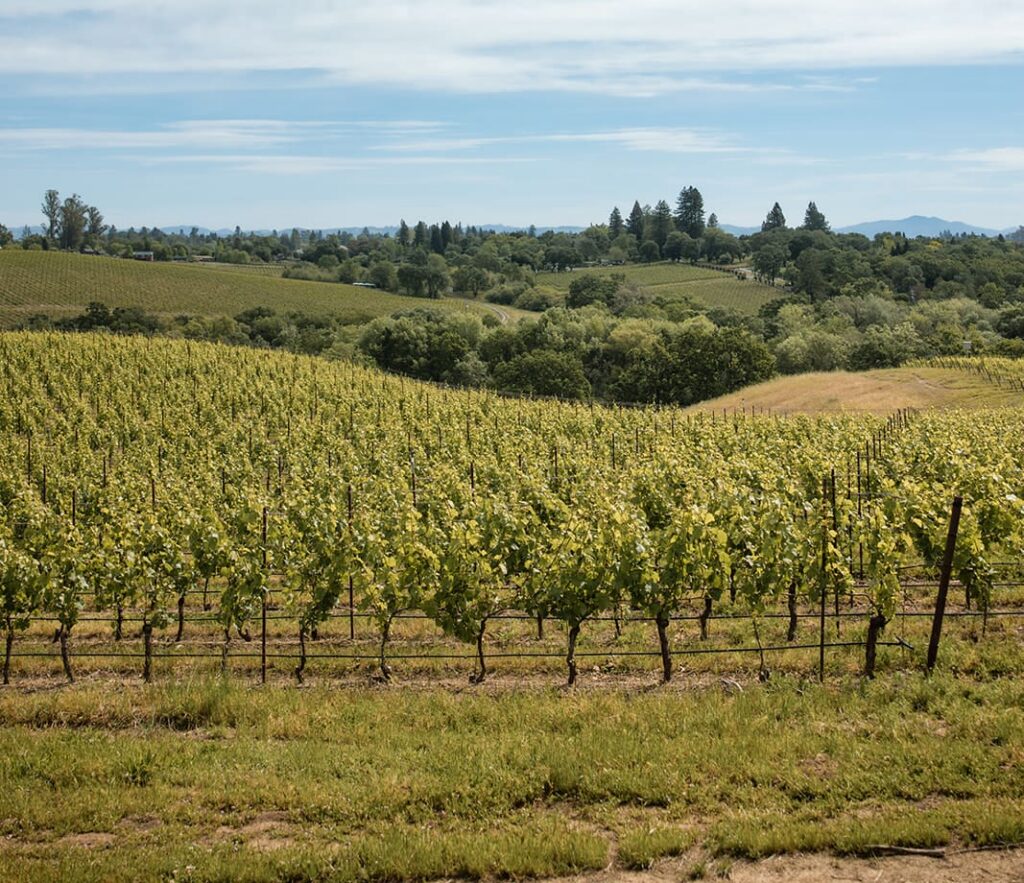
For Earth Day, that feels like a beautiful thing to celebrate.
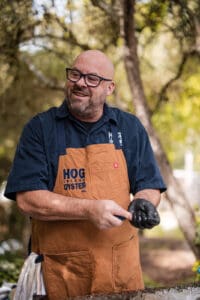
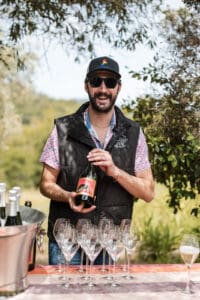
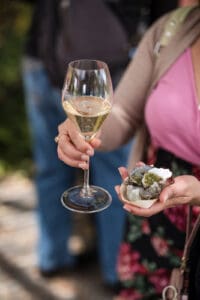
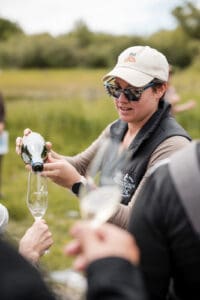
And of course, no Earth Day celebration would be complete without oysters. Few creatures do more, so quietly and so well, for the health of their environment — filtering water, creating habitat, and helping protect the coast. To end the morning with Hog Island Sweetwaters and Ocean Reserve felt perfectly, and deliciously, right.

Featured Wines

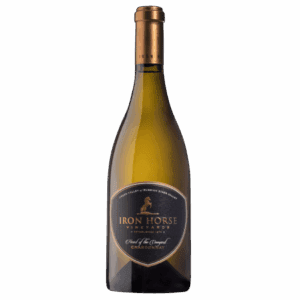
2023 Heart of the Vineyard Chardonnay