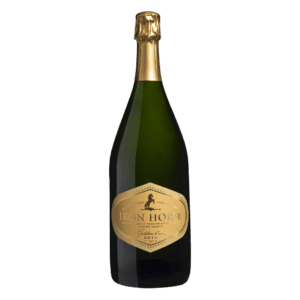


Why Drink Champagne and Bubbles?

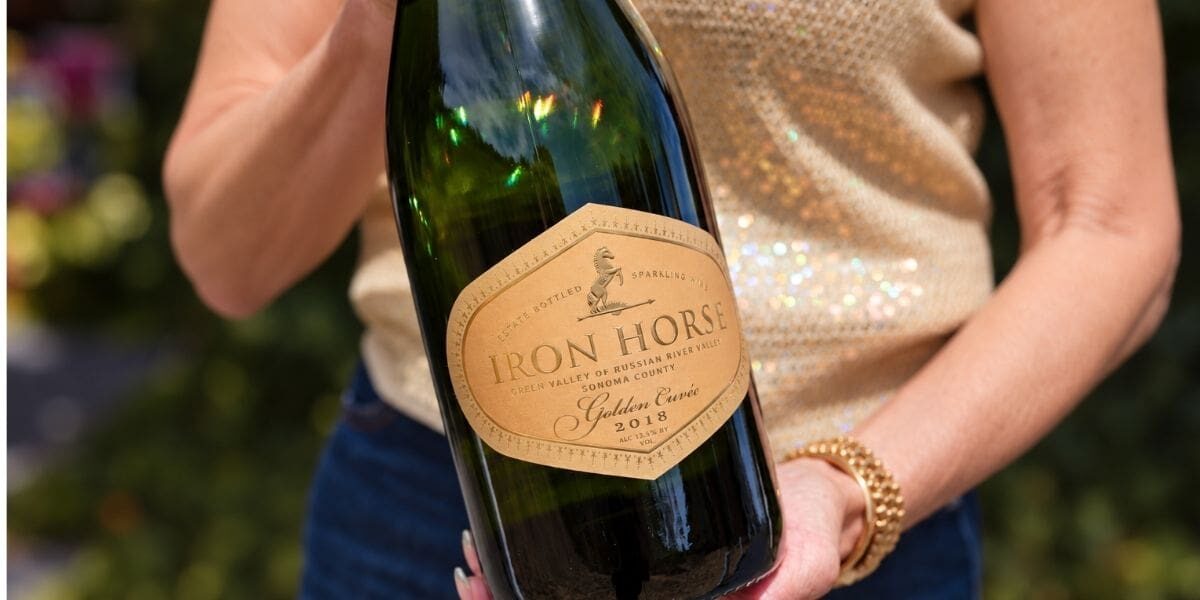
Why Champagne or Sparkling Wine aka bubbles? What’s the attraction?
I like the brightness.
It’s fun to drink.
It’s refreshing. Reinvigorating.
Everything about great bubbly should be a lift; it should practically effervesce away in your mouth.
It should make your mouth happy.
You should feel lifted, energized, witty and charming.
You should feel like having a good time.
Sparkling Wine and Champagne have a way of triggering the reflex for enjoyment. Some would go so far as to say it makes you giddy.
It is unusually good at creating the feeling of a celebration where there wasn’t one before.
You can spark enjoyment by opening a bottle of bubbles.
It can be your toast to moving onward.
Two of my favorite Champagne quotes point at this quality. Napoleon (attributed): “In victory one deserves it; in defeat one needs it.” And Lily Bollinger: “I drink it when I’m happy and when I’m sad.” Both are basically saying the same thing: whenever.
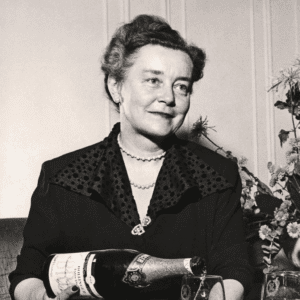
Lily Boillinger
Bubbles are multisensory. We don’t merely taste them. We watch them rise, we hear the cork and the fizz, we feel the effervescence in the mouth, and we breathe in the aromas released as the bubbles burst at the surface. All of that happening at once makes sparkling wine very stimulating.
Physiologically, it’s simple: Carbon dioxide dissolves on your tongue and the resulting wisp of acidity wakes up the sensory network in your mouth that registers tingling, cooling and spice. A physical sensation of liveliness that makes your mouth happy. Your brain reads it as a small bright sting. That’s the “lift”.
Then there’s the sound. The pop of a cork is a highly distinctive auditory event, and through repeated association — weddings, victories, launches, birthdays, New Year’s Eve — we’ve learned to hear it as a signal that something good is happening. That’s classical conditioning at work. Even without a celebration on the calendar, the cue calls up the expectation of one. Bubbles are how happiness announces itself.
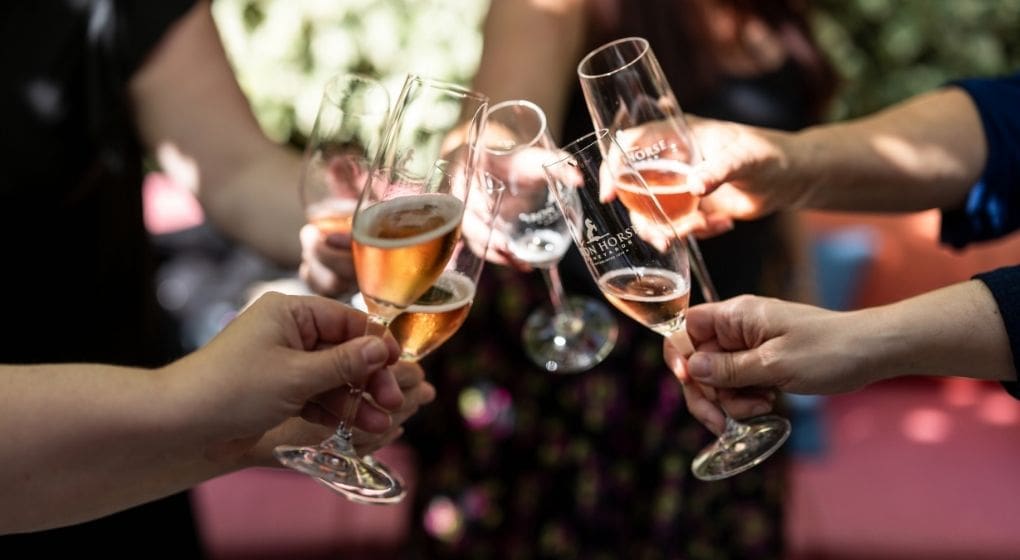
There’s a social component. Opening sparkling wine is inherently theatrical. The bottle opens, people notice, glasses are poured, everyone receives theirs at roughly the same time, and then people raise their glasses and look at one another. It creates a tiny, shared ritual without anyone planning it.
And yes, it goes to your head faster. That isn’t folklore either. The bubbles hurry the alcohol into your bloodstream. You can cue the giddiness. So that’s why Champagne or Sparkling Wine.
So, there is a genuinely defensible idea underneath my instinct: we don’t just drink bubbles when we’re happy. Sparkling wine can help make us happy.
Which means it occupies both sides of the happiness equation. Joy calls for bubbles; bubbles create joy. In logic, if A leads to B and B leads to C, then A leads to C. Applied here: if joy calls for bubbles, and bubbles create joy, then by the law of transitivity, bubbles are always called for.
Put more plainly: You don’t have to be celebrating to open the bubbles. Bubbles are reason enough.
Featured Wines

2007 Joy!
-
2018 Golden Cuvée
-
2020 Wedding Cuvée